Your Size Is the Moat: Why UK Micro-Businesses Win at Marketing
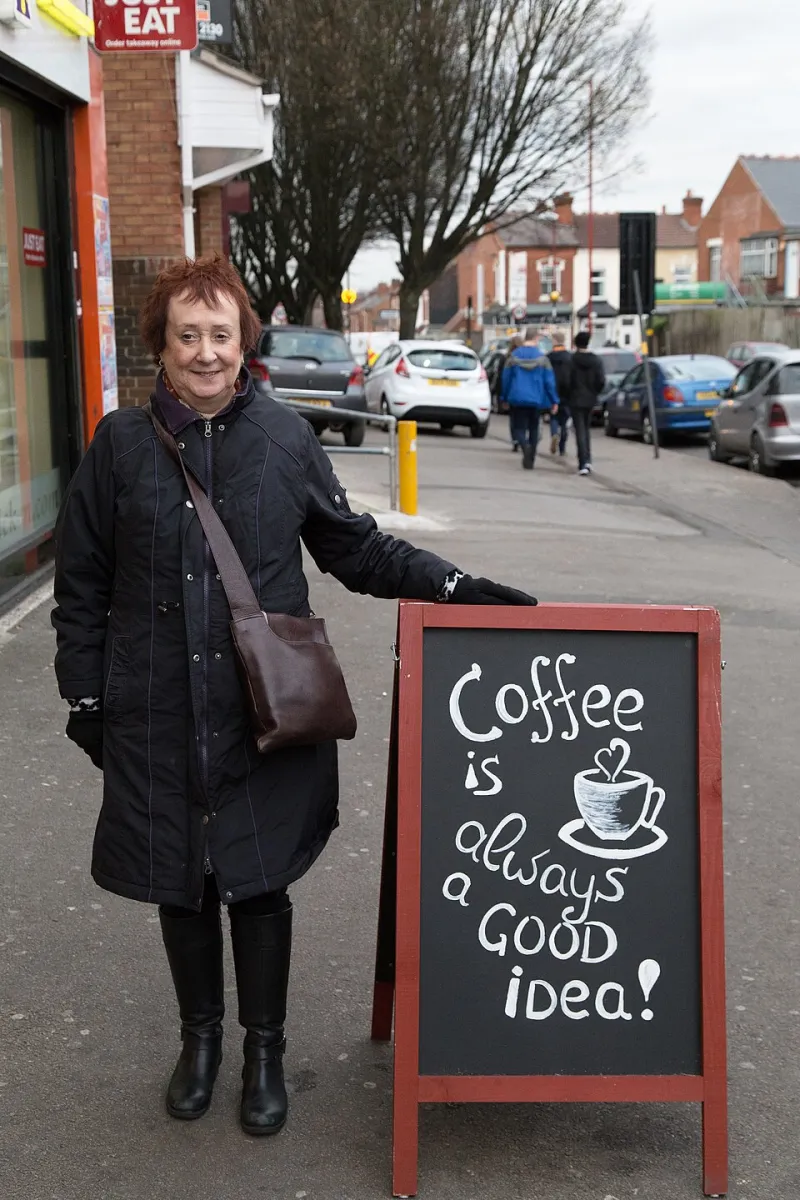
Photo: Virginia Knight , CC BY-SA 2.0, via Wikimedia Commons
Every few weeks I hear a version of the same sentence from a UK business owner: 'We'd love to do more marketing, but we're too small.' It usually arrives with a shrug, as if size were a diagnosis. It isn't. In fact, for micro-businesses — the sole traders, two-person studios, family shops and kitchen-table brands that make up so much of the UK economy — being small is one of the few genuine marketing advantages left.
The myth that keeps good firms quiet
The 'too small to market' story comes from comparing yourself to the wrong opponent. You look at a national chain with a media agency and a Christmas ad and conclude you can't play. But you're not trying to outspend them. You're trying to be chosen by people within a few miles who want what you sell. On that pitch, the big firm is the one with the disadvantage. It can't remember a regular's name. It can't change its offer because it's raining. It can't make a decision without a brand team.
You're a person, not a policy
Big companies spend millions trying to sound human. You already are one. That matters more than ever in a market where customers are tired of corporate voice notes. A photo of the actual person who makes the product, a short video from the workshop, a reply to a review in your own words — these are not 'extra' marketing. They are the marketing. You don't need a studio. You need a phone and the willingness to be visible.
You can move before the meeting ends
A micro-business can decide on Monday to run a promotion on Tuesday. That speed is a campaign weapon. When a cold snap hits, a café can push hot soup. When a new housing estate opens nearby, a gardener can drop leaflets that week. When a competitor lets customers down, you can quietly remind people you answer the phone. Big rivals need sign-off. You need a cup of tea and ten minutes.
You know the streets, not just the postcode
Local knowledge isn't a nice-to-have; it's targeting. You know which road has the school run, which village hall has a noticeboard people actually read, which Facebook group is friendly and which one is a complaints forum. You know the other shopkeepers by name. That lets you place messages where they'll be seen by the right people — not blasted at a postcode sector and hoped for.
Three campaigns the big boys can't copy
-
The face behind the counter. Commit to one short video a week showing a real part of the job: packing an order, choosing stock, fixing a bike. No script needed. Put it on your Google Business Profile, Instagram and local Facebook group. It builds trust faster than any stock photo.
-
The 48-hour local fix. Pick a problem your neighbours have this week — muddy pavements, back-to-school lunches, a bank holiday with nothing open — and solve a small part of it. Offer a bundle, a collection slot, a free checklist. Tell people it exists. The point is not the discount; it's proof you're paying attention.
-
The neighbour's receipt. Team up with a non-competing business nearby. They put a card in every bag; you do the same. 'Spend £15 here and get a free coffee two doors down' is more powerful than a generic voucher because it comes with a recommendation. Measure it by counting cards returned, not by guessing.
What to do on Monday
Pick one advantage, not all of them. If you're the face of the business, start there. If you're fast, build a weekly 'local fix' habit. If you know everyone, set up one cross-promotion. Then measure the simplest thing: ask every new customer how they found you and keep a tally on the back of an envelope. You don't need a dashboard. You need evidence.
The UK small firms that market well are not the ones with the biggest budgets. They're the ones who stop apologising for their size and start using it. You can't outspend a chain. You can out-trust, out-speed and out-local it. That's not a consolation prize. It's an unfair advantage — so use it.