Five Local Marketing Moves That Start at Your Front Door

Photo: Internet Archive Book Images, No restrictions, via Wikimedia Commons
Most 'local marketing' advice starts with the internet. This one starts with your front door. The postcode playbook is about the streets you can walk in ten minutes, the groups your customers actually use, and the small, unglamorous moves that put your name in front of people who can pop in on Saturday. No big budget required — just a bit of legwork and a way to count what comes back.
1. Parish and village newsletters
Parish magazines, church newsletters and village hall bulletins are still read in many parts of the UK, especially outside cities. A small ad or a classified line can cost less than a takeaway, and it lands with people who already trust the publication. Ring the editor, ask for the deadline and the format. Then give them a clear reason to call: a seasonal offer, a new service, a free quote week. Measure it with a dedicated phone number, a code word ('newsletter') or a simple question at the till.
2. Local Facebook groups (as a helpful neighbour)
Every town has them: the 'Spotted in...' group, the village community page, the parents' network. The mistake is posting adverts. The play is to be useful first — answer questions about your trade, recommend other good businesses, share practical updates. When you do mention your own offer, make it group-specific: 'Mention this post for a free fitting' or 'Collection from the shop before 5pm on Friday'. Keep a note of how many people say they saw it there. One useful comment can outperform a boosted post.
3. Cross-promotions with nearby businesses
Find a business near you that serves the same customer but doesn't compete. A hairdresser and a nail bar. A bike shop and a café. A plumber and a kitchen fitter. Agree a simple swap: they hand out your card, you hand out theirs. Or create a joint offer — 'Buy a bike service, get a free coffee' — and split the cost. The beauty is borrowed trust: a recommendation from a shop someone already likes is worth more than a cold advert. Measure redemptions with a unique code or a named offer.
4. Targeted leaflet routes
Leaflets get mocked, but a tight route still works. Don't pay to blanket a whole town. Pick 200–500 homes that are genuinely close to you: the streets between your shop and the school, the new estate, the roads where your ideal customer lives. Use a proper leaflet delivery service or walk them yourself. Time it around a real reason to act — half-term, a new menu, a seasonal service. Put a code or a QR link on it so you can see what comes back. If nobody responds after two drops, change the route, not the leaflet.
5. Small sponsorships
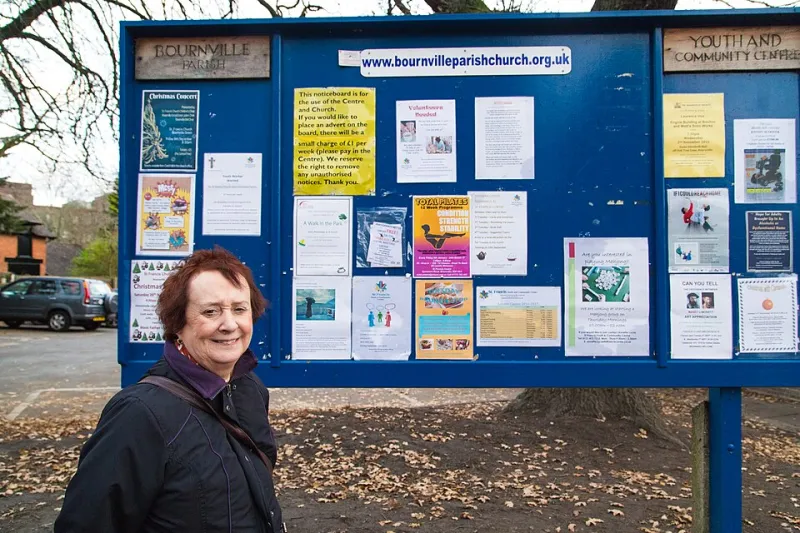
A £50 or £100 sponsorship can put your name on an under-11s football kit, a village hall noticeboard, a school fete raffle or a local quiz night. The money is small; the visibility is local and repeated. Ask for a mention in the programme, a logo on the kit and a social media thank-you. Then use a 'sponsor code' or simply ask new customers if they saw you at the event. It's not about vanity. It's about being part of the local fabric in a way a national brand can't be.
How to measure without a spreadsheet headache
Keep it simple. For each move, choose one signal: a code word, a dedicated phone number, a named offer, a QR link or a tally of 'how did you hear about us?' at the till. Write the results in a notebook each week. After a month, you'll know which two moves are worth repeating. Drop the rest. Local marketing is not a volume game; it's a repetition game.
The postcode rule
Keep your radius honest. If you're a shop, think 1–2 miles. If you're a service business, think 20 minutes' drive. The tighter the patch, the easier it is to be known, recommended and remembered. The postcode playbook isn't about thinking small. It's about starting where your next customer already is — probably closer than you think.